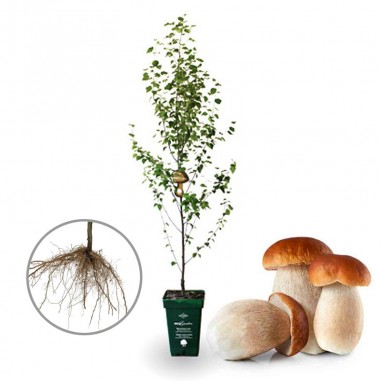
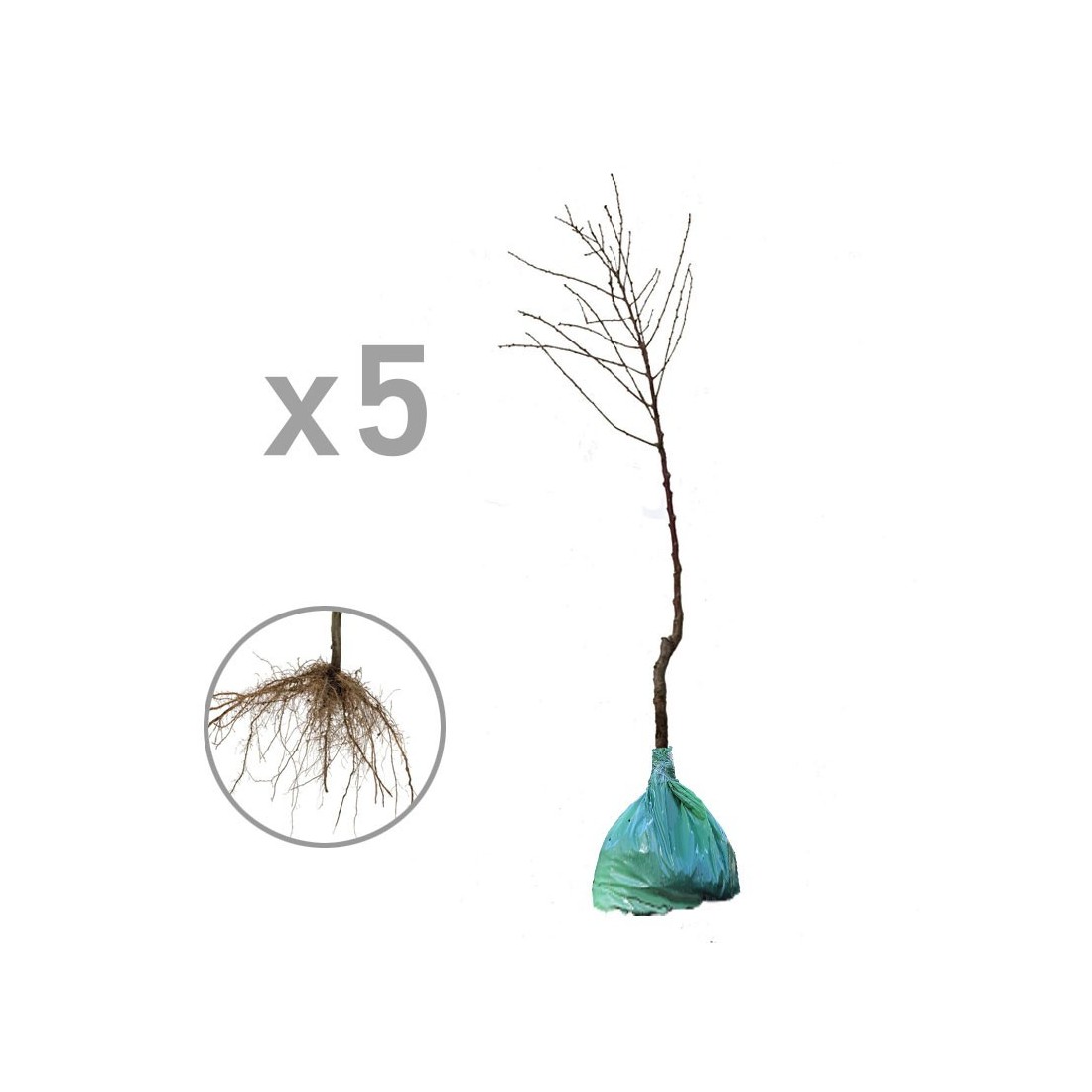
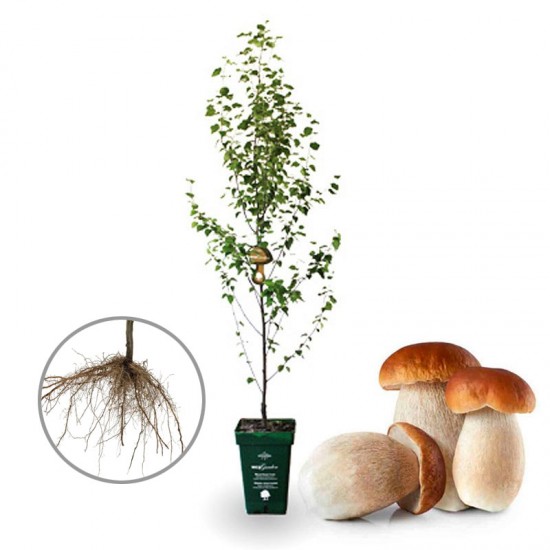
Birch mycorrhizated with boletus. Betula pubescens 7,5 l

Discover the Mycorrhizal Birch with Boletus (Betula pubescens), a resilient and versatile species that combines wood production with edible mushroom symbiosis. Ideal for cold climates and wet soils.

  • Resistant to frost and extreme weather conditions
  • Mycorrhized with Boletus edulis for mushroom production
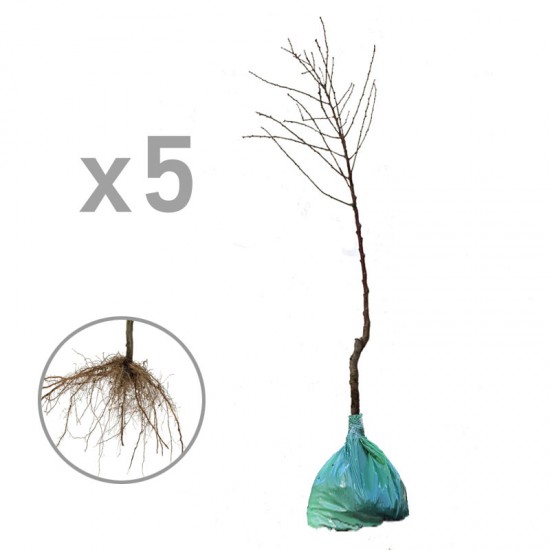
  • Naked root format, perfect for winter planting
  • Adapted to acidic and poor soils, even waterlogged ones
16 people are viewing this right now
LCS1388-1
€62.95
Tax included
Quantity units: 5 pcs
height: 1/1,5 m
Nursery format: Naked Root
There is no stock in Nursery format Naked Root There is stock in other combinations
Quantity
Delivery 3-5 days

  • Harvest your own mushrooms at home: enjoy the unique experience of gathering gourmet mushrooms in your own garden while admiring the natural elegance of the white birch.
  • Extreme resistance in difficult terrains: this tree thrives where others fail, resisting frost and wind in acidic or poor soils, ensuring a green and productive landscape.
Description

Imagine having a silver birch mycorrhizal with porcini mushrooms in your garden or forest that not only beautifies the landscape but also gifts you delicious edible mushrooms? This Betula pubescens is more than just a tree; it's an investment in nature, flavor, and sustainability. With its ability to withstand extreme weather conditions and improve soil quality, this birch is the perfect ally for those seeking a balance between beauty and functionality.

The silver birch mycorrhizal with porcini mushrooms is not only resistant to frost and wind but also thrives in poor and acidic soils, something uncommon in broadleaf species. This makes it an ideal option for difficult areas where other trees wouldn't survive. Additionally, its association with the boletus edulis allows you to enjoy high-quality mushrooms, directly in your natural environment.

This tree doesn't just offer tangible benefits like wood production and mushrooms; it also enriches your space emotionally. Watching a silver birch grow, with its silvery bark and vibrant foliage, is an experience that deeply connects you with nature. And, to top it off, its ability to enhance soil quality turns it into a nursery species, preparing the ground for other demanding plants.

The bare root format makes this birch more accessible and easier to transport, although it's crucial to plant it immediately to ensure proper development. This method, available only during winter, is a unique opportunity to acquire a high-quality tree at a reduced price. Don't miss the chance to add this natural treasure to your life.

  • Extreme resistance: Endures frost, wind, and poor soils, ideal for harsh climates.
  • Porcini production: Enjoy high-quality edible mushrooms right in your surroundings.
  • Soil improvement: Acts as a nursery species, preparing the ground for other plants.
  • Natural beauty: Its silvery bark and vibrant foliage add a unique touch to any landscape.
  • Economic format: Bare root for easy transportation and a more affordable price.
  • Sustainability: Contributes to biodiversity and ecological balance in your environment.

Don't wait any longer to transform your space with the silver birch mycorrhizal with porcini mushrooms. This tree will provide you with shade, beauty, and delicious mushrooms, while also becoming a natural legacy for future generations. Remember that availability is limited, act now and get this ecological treasure before it's gone!

Product Details
LCS1388-1

Data sheet

  • Boletus edulis
  • Mycorrhizal birches
  • Bare root
AI FAQs
What is a mycorrhizal birch with boletus?
It is a tree living in symbiosis with the Boletus edulis fungus. This relationship benefits the tree by improving nutrient absorption and allows the owner to harvest edible mushrooms in the future.
When is the best time to plant this birch?
As it comes in bare-root format, the ideal time for planting is during winter dormancy, generally between the months of November and March.
What soil and climate conditions does Betula pubescens require?
This species prefers cold climates and acidic, moist, or even waterlogged soils. It is extremely resistant to frost and adverse weather conditions.
How long does it take to produce boletus?
Mushroom production usually begins when the tree is established and reaches a certain maturity, typically starting 8 to 10 years after planting.
How should bare-root planting be performed?
It is essential to keep the roots moist until the moment of planting. Dig a deep hole, place the tree with the roots spread out, and water abundantly after covering it with soil.