Entoloma lividum: the secrets of the deceptive fungus
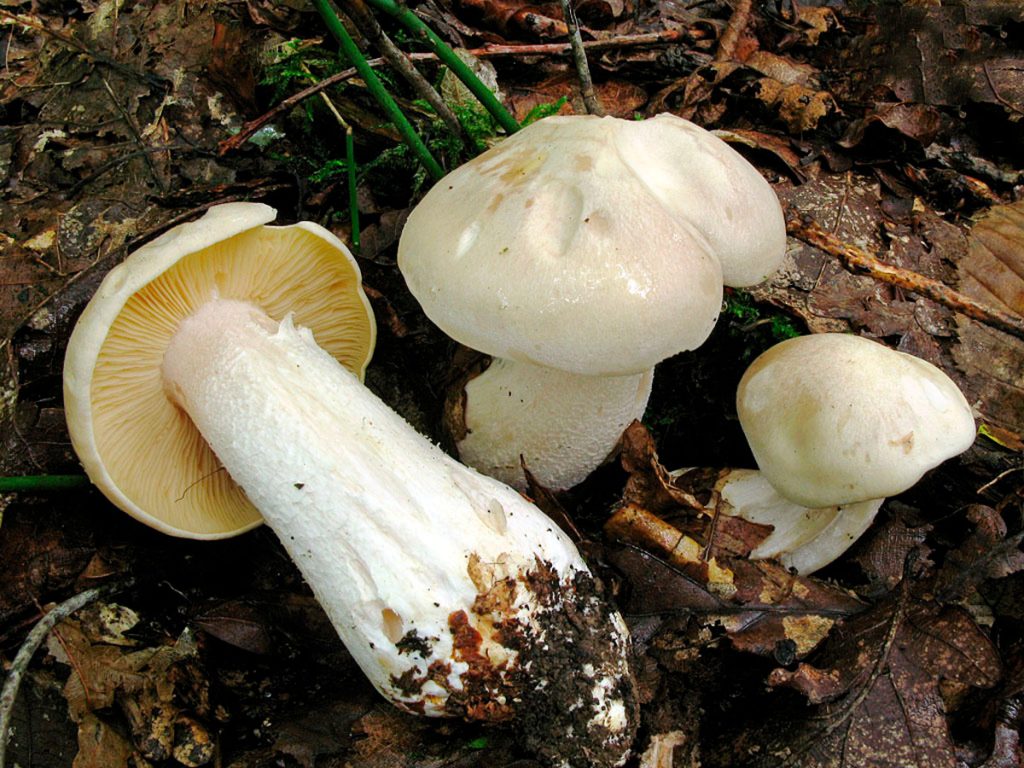
Entoloma lividum, commonly known as False Pardilla or Deceptive Setra, is a species of mushroom that has attracted the attention of mycology enthusiasts due to its intriguing appearance and importance in the forest ecosystem.
We're going to dive into a detailed analysis of this mushroom, exploring its popular names, distinctive features, possible confusions, habitat, period of appearance, edibility and impact on natural ecosystems.
Popular names
Entoloma lividum is known by various popular names in different regions:
- False chanterelles
- Entoloma lividum
- Deceptive bolete
- Perfidious
- Cameleon
- Malicious
- Malicious sub-rosaceous
- False bleached carlet
- Boler flake
Characteristics of Entoloma lividum
Macroscopic description
Entoloma lividum has the following macroscopic characteristics:
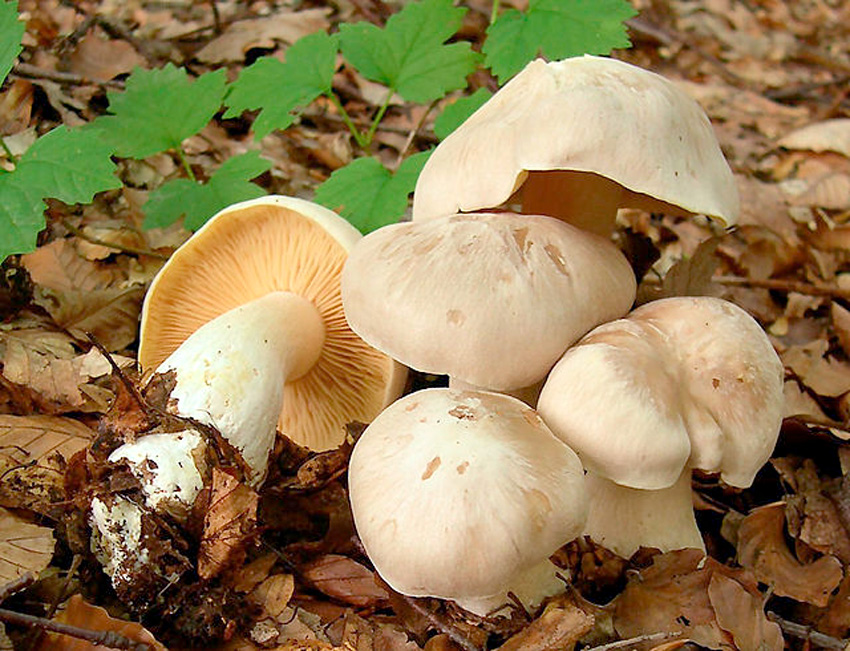
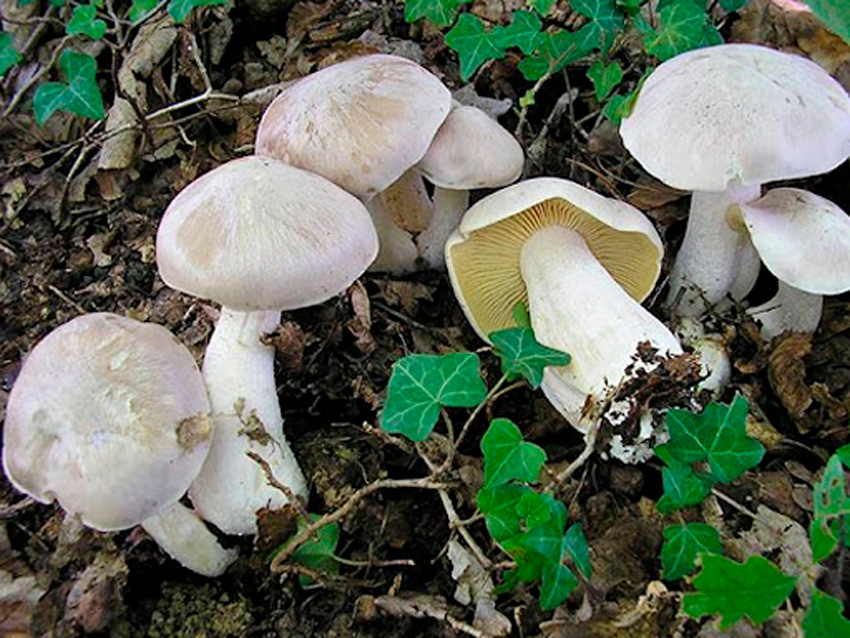
- Cap: It has a diameter of between 6 and 14 cm, being fleshy, convex umbonate and with a rolled edge in young specimens. Its cuticle is smooth, dry and pearl-gray to beige in color, with small radial fibrils visible.
- Foot: It is robust, thick, hard and thickened towards the base, whitish or slightly yellowish in color.
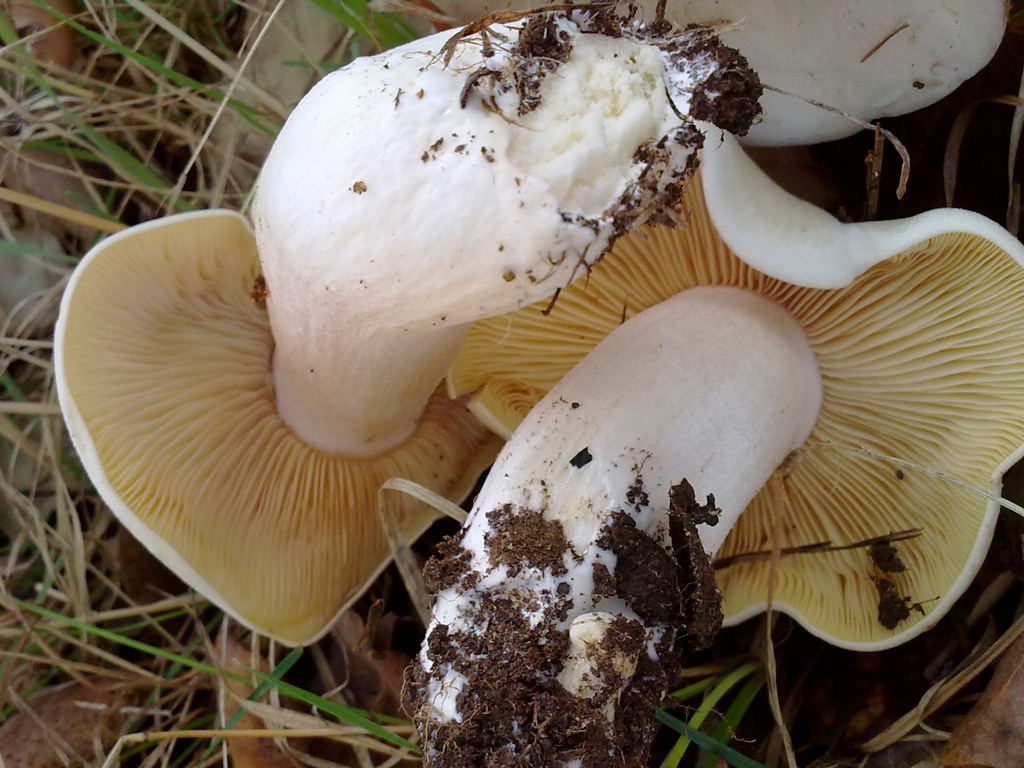
- Hymenophore: The lamellae are indented, fairly tightly packed, salmon-yellow in color, turning pink as the spores mature.
- Chair: It is compact, hard and white, with a strong odor of fresh flour.
Confusions with other mushrooms
It's important to note that Entoloma lividum can be confused with other mushroom species, such as:
- Clitocybe nebularis: This fungus is differentiated by its white lamellae and a slight decurrence of these.
- Calocybe gambosa: Although it has similar colors and smells, it is distinguished by its fruiting in spring and its always white, tightly packed lamellae.
Where it appears and when
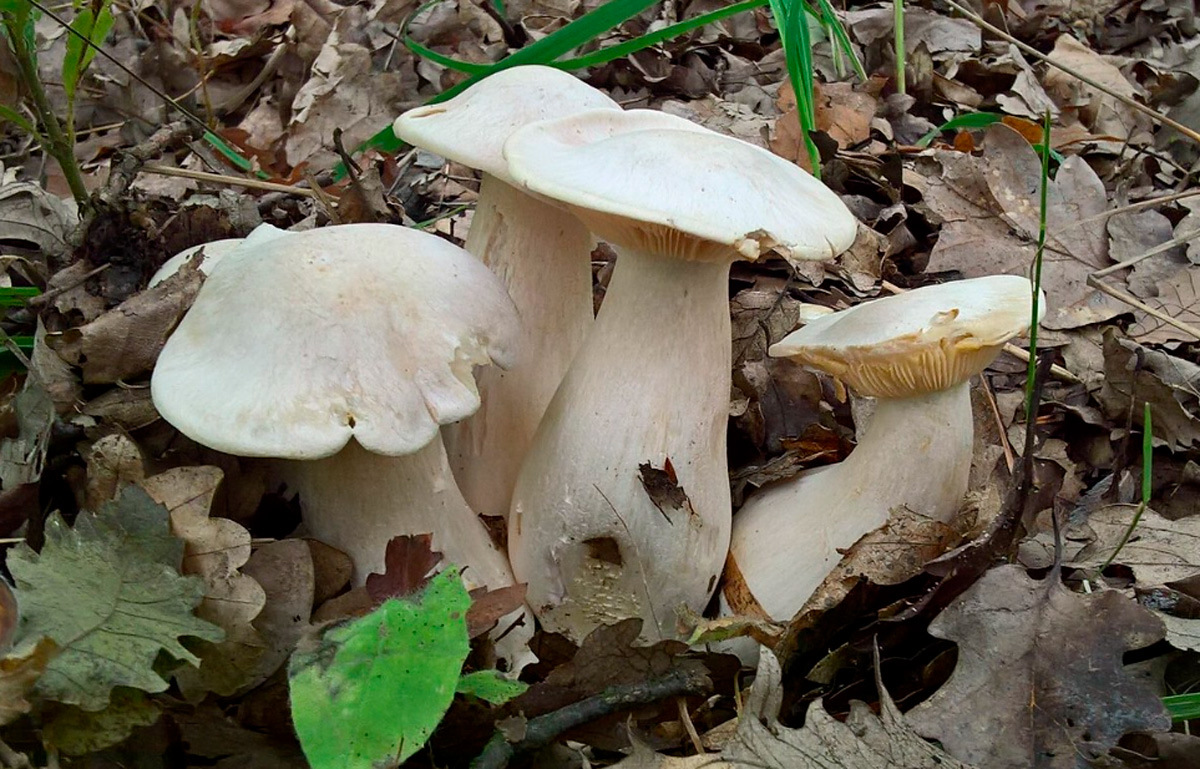
Entoloma lividum is generally found in clearings in deciduous forests, such as oaks, cork oaks, beeches and other deciduous trees. It prefers clay and limestone soils. Concerning its period of appearance, it can be found from spring to autumn, being more common in summer and autumn, but it can also come out as early as April on certain occasions.
Is Entoloma lividum edible?
Entoloma lividum is considered toxic for human consumption. It causes severe gastrointestinal syndrome, with very rapid and violent effects. Symptoms appear within an hour and can last up to 2 weeks, being potentially fatal. This mushroom is responsible for 75% of intoxications in the Basque Country, so it's advisable to avoid eating it at all times.
Curiosities about Entoloma lividum
- In competitions, clubs or mycological associations, collected specimens of Entoloma lividum have been awarded prizes to raise awareness of the dangers of its consumption and prevent intoxication.
- Famous mycologist and physician Lucient Quélet experimented with the gastrointestinal effects of this mushroom in the 19th century, calling it "La perfida", the name by which it is currently known.
See you on the mountain!
Te pueden interesar