6 ways to preserve perrechicos
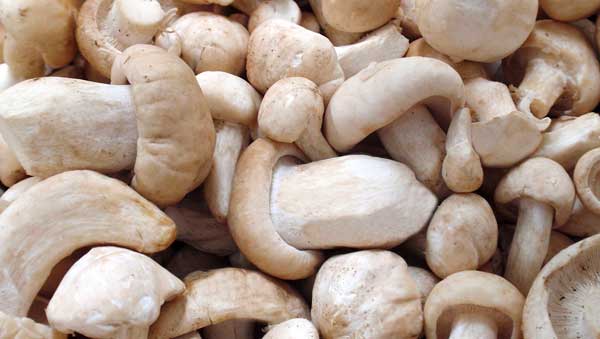
Spring is our favorite mycological season. It's the time of special mushroom species: spring morels, morels and mousserons!
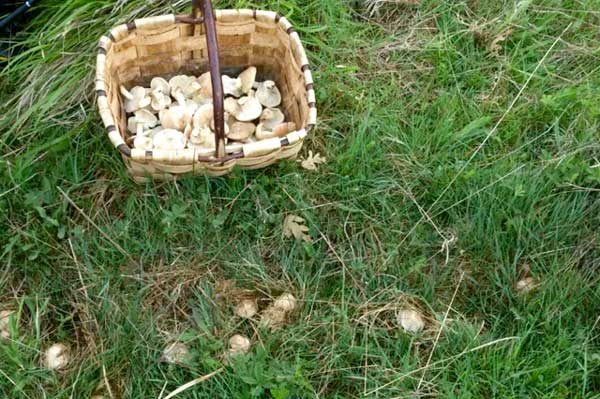
When you're lucky enough to find a good mousseron spot, it's not uncommon to fill the basket. Then comes the dilemma. What can I do with so many morels? We show you 6 ways to conserve muskmush so you can enjoy them all season long!
Candied muskmushrooms
To preserve the perrechicos, we'll clean the mushrooms with water, cut and put in a saucepan to boil with 200 gr of sugar and 200 ml of water for 5 minutes from the moment they start to boil.
They are boiled in a bain-marie with the lid down, for 60 minutes, we'll let the jars cool in the water, and remove them once cold and label them with the date.
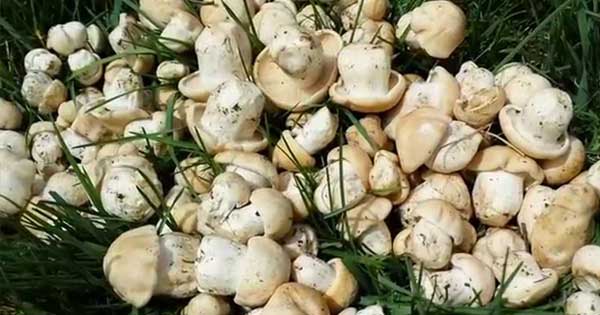
Calocybe Gambosa in its juice
Once the mushrooms have been cleaned, we'll simmer them over a low heat, with a little salt to sweat them, for about 5 minutes. During this time, the mushroom loses some of its volume, as it has released water. Once cooled, they are placed in a glass jar. The jar is filled with the mushrooms and the juice they have released; if any is missing, we fill it with mineral water so that the liquid covers all the mushrooms.
Finally, the jars are placed with the lid down, this way they will be hermetically sealed, they are boiled in a bain-marie for 50 minutes, we will let the jars cool in the water, they are removed once cooled, they are labeled with the date.
Perrechicos in oil
We'll clean with water, once washed, they blanch for 2 minutes in boiling water and vinegar (three parts water and one part white vinegar), let cool, add salt and herbs, put in a jar and cover with olive oil.
This type of canning is recommended to be stored in the refrigerator.
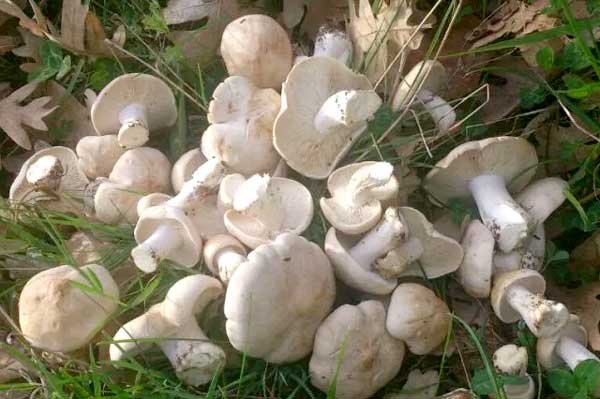
Frozen perrrechicos:
As with all methods of preserving a mushroom, the first thing is to clean it, in this case with water. They're then sliced and blanched in boiling water for no more than two minutes, drained and stored in freezer bags.
Another way to preserve perrechicos is to do the same thing, but fried with a little butter or oil, but this time we preserve them with the fat, this way they don't burn in the freezer and last longer.
Dehydrated Perchicos
Once we've cleaned the mushrooms well, we'll laminate and cut them into portions of around half a centimetre. Smaller mushrooms can be dehydrated whole or in halves. We can leave them spread out on kitchen paper and place them in a dry place out of direct sunlight. Turn them over every 12 hours.
Around 5 to 7 days later, we'll have the perrechicos dehydrated and ready to store.
Perrechico flour
To make perrechico flour or powdered perrechico, we'll be able to use these mushrooms that don't look so good. After all, we'll have to grind them! We'll carry out the same process as for dehydrating the perrechicos.
Once dehydrated, using a grinder, chopper or thermo-mixer, we'll grind the mushrooms into a powder with a floury texture. To remove the larger pieces, we'll use a colander. We'll store the flour in glass jars and use it to season all kinds of dishes.
Have you harvested many perrechicos? Now you have no excuse not to make your own mushroom preserves!!! Share these recipes and help us grow!
Health and mushrooms!
Te pueden interesar